The receiver wire is the part of a receiver-in-canal (RIC) hearing aid most likely to fail first, and most last somewhere between two and four years before needing service. The classic hearing aid receiver wire replacement symptoms are static, sound that cuts in and out when you move your head, and one aid going completely silent while its battery still reads full.
The good news is that this component is modular, so it unplugs and swaps out in a few minutes rather than requiring a factory repair. Fairway Hearing Center can provide hearing aid repair in Selbyville, DE and across the area to fix your receiver wire.
The Receiver Wire is a Plug-in Part, Not a Permanent one
In a RIC device, the speaker (the receiver) sits down in your ear canal, and a thin insulated wire carries the signal from the processor behind your ear. That wire snaps into a socket on the hearing aid body, usually held by a tiny locking pin or a friction fit depending on the manufacturer.
Receivers are ordered by power level (standard, medium, power, ultra power) and by length, typically numbered 0 through 5 to match the distance from the top of your ear to your canal. They are also color coded, red for right and blue for left, which matters because a mismatched length will sit wrong and feed back.
Signs The Receiver Is Broken Or On Its Way Out
Most people notice a change in sound quality weeks before total failure.
Watch for these signs a hearing aid receiver is broken:
- Total silence in one aid while the other works normally and the battery or charge is confirmed good.
- Crackling or frying-bacon static, especially when you chew, yawn, or turn your head.
- Sound that drops out and returns at random, sometimes for a second, sometimes for hours.
- Muffled or thin output that no volume adjustment fixes, as if a blanket were over the speaker.
- Visible damage: a kink, a cracked or split casing near the ear hook, or corrosion green on the metal contacts.
- New feedback whistling that started without any change in fit or earwax.
Crackling and Dropouts Usually Mean Broken Conductors
A hearing aid crackling sound from a RIC wire is typically caused by hairline breaks in the copper strands inside the insulation. The strands still touch intermittently, so the signal stutters instead of stopping cleanly, which is why a crackling aid can sound fine one minute and awful the next.
Intermittent sound is the single most reliable hearing aid wire issue to identify at home. Hold the aid near your ear and gently roll the wire between your thumb and finger along its length, particularly at the bend behind the ear where flex stress concentrates. If the crackle appears or the sound cuts at a specific spot, the conductor is damaged there and no amount of cleaning will help.
Broken Wax Guard vs Bad Receiver Wire: How To Tell Them apart
Earwax blocks far more hearing aids than electronics failures do. The National Institute on Deafness and Other Communication Disorders notes that debris and moisture are leading causes of hearing aid malfunction, and in clinic the split is roughly four wax problems for every genuine wire failure.
Here is how to sort out a broken wax guard vs bad receiver wire before you book an appointment:
- Pull the dome and look at the white filter at the tip of the receiver. If it is tan, brown, or packed solid, that is your likely culprit.
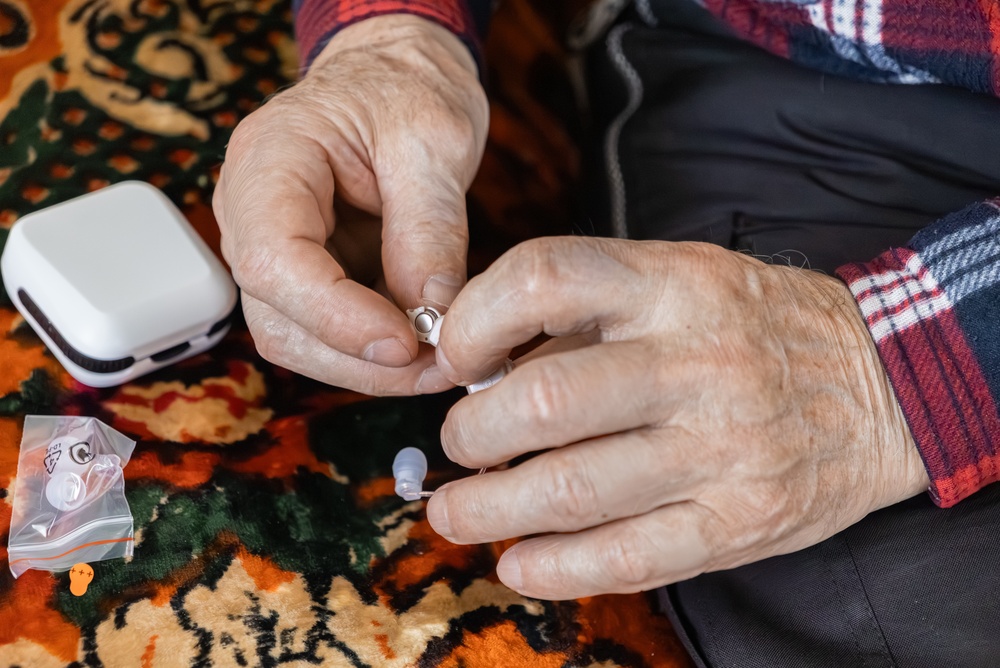
- Change the wax guard using the dual-pin tool from your supply kit: push the empty pin in to extract the old filter, then press the loaded pin in to seat the new one.
- Listen again in a quiet room. If full volume returns, you had a blockage, not a wire problem.
- Repeat the flex test. If the crackle is still there after a fresh guard and a clean dome, the receiver assembly is the problem.
- Swap sides if your receivers are the same length and power. If the fault follows the wire to the other hearing aid body, the wire is bad; if it stays with the body, the device itself needs service.
That swap test is the quickest answer to how to tell if a hearing aid receiver is bad without any equipment. In the clinic we confirm it with a listening stethoclip and a test chamber that measures output across frequencies, which catches a weak receiver that still technically works.
How a Receiver Wire is Replaced
Replacement is a mechanical procedure, not a soldering job. A hearing care provider will:
- Confirm the specification by reading the length number and power code printed on the existing wire or looking it up in your fitting software record.
- Release the connector at the top of the hearing aid, either by lifting a small locking pin with a removal tool or by pulling straight out along the wire axis, never at an angle.
- Inspect the socket for moisture, corrosion, or wax that migrated up the barrel, and clean the contacts with a dry brush.
- Seat the new receiver until it clicks, checking that the wire curves toward the ear and the left or right color matches.
- Re-run the fitting software so the device recognizes the new receiver power level and reloads your prescription targets.
- Verify with real-ear measurement or a test box so the output matches what you were hearing before the failure.
A typical hearing aid speaker wire replacement takes 10 to 20 minutes in the office. Parts generally run $80 to $250 per side depending on brand and power level, though most manufacturers cover receivers under the standard one to three year warranty, so many patients pay nothing.
What Causes RIC Receiver Wire Damage In the first place
Three forces account for most RIC hearing aid receiver wire damage: moisture from sweat and humidity, earwax and skin oils migrating into the receiver port, and mechanical stress from pulling the aid out by the wire instead of the body.
A few habits stretch the life of a receiver meaningfully:
- Remove hearing aids by gripping the shell behind the ear, not by tugging the wire.
- Change wax guards every four to six weeks, or every two weeks if you produce wax heavily.
- Wipe the wire and dome nightly with a dry cloth and store the aids in a dehumidifier, especially in humid months.
- Take the aids out before applying hairspray, sunscreen, or lotion near the ears.
- Book hearing aid maintenance and repairs twice a year for deep cleaning and a listening check.
Searching for hearing aid repair near me after a device goes quiet is common, but a scheduled cleaning visit catches early conductor damage while you still have sound.
Get Your Hearing Aids Checked at Fairway Hearing Center
Fairway Hearing Center is a Veteran-owned, independent clinic dedicated to compassionate, unhurried care, and we keep common receivers in stock so most repairs happen the same day. Call us to schedule a listening check or a Fairway Hearing receiver wire replacement, and bring both aids so we can clean and test the pair while you wait.