Although living with hearing loss is challenging every day of the year, it can be even more difficult in the winter. Freezing temperatures, strong winds, and the potential for illnesses that affect the sinuses and ear canals can all change your hearing aid experience in the winter.
Finding a qualified provider for a hearing test in Berlin, MD, is a straightforward process that grants you access to personalized treatment plans tailored to your specific hearing needs and lifestyle.
Here are some of the most common difficulties that affect hearing aid users in the winter, and some tips on how you might be able to alleviate them:
Cold and Flu Season
Winter is the time of the year most closely associated with cold and flu, as well as other illnesses like COVID-19 and RSV. These can all cause symptoms like cough, sneezing, nasal congestion, and more. When these symptoms are present, even those without hearing loss have reported changes in their ability to hear sounds clearly.
That’s because, when you’re sick, excess mucus can accumulate in the passages that connect your throat to your ears. This can create additional pressure inside the ear canal, affecting the way you perceive sounds. Inflammation is another factor, as this may cause swelling in the ears and sinuses.
If you want to have the best hearing during the winter months, it’s important that you do everything you can to stay healthy. Taking certain precautions like staying hydrated, avoiding large crowds, washing your hands frequently, and maintaining a healthy diet can all strengthen your immune system so that you can prevent illnesses or fight them off more quickly.
Winter Weather and Hearing Aids
Just like any electronic device, hearing aids work best when they are kept dry. If any moisture is allowed to get inside the hearing aid’s case, it could cause corrosion or shorts that will render your device inoperable. In addition, strong winds can interfere with your ability to hear sounds around you.
Unfortunately, you still need to go outside, even when the weather is bad. If it’s windy and snowing, there are some ways you can protect your hearing aid to make sure it lasts for years to come.
If it’s snowing, you might consider wearing a headband that covers your ears to protect it from moisture. This type of headband can also reduce wind noise without dampening sound too much. As a bonus, a headband will keep your ears warm, improving blood flow and potentially improving your ability to hear clearly.
Whenever you come in out of the cold, it’s a good idea to examine your hearing aid to make sure there aren’t any issues. Look for any beads of moisture and remove them by gently dabbing your device with a clean, soft towel. If you see any waxy buildup, you can carefully remove it using a hearing aid brush and soft cloth.
What to Expect
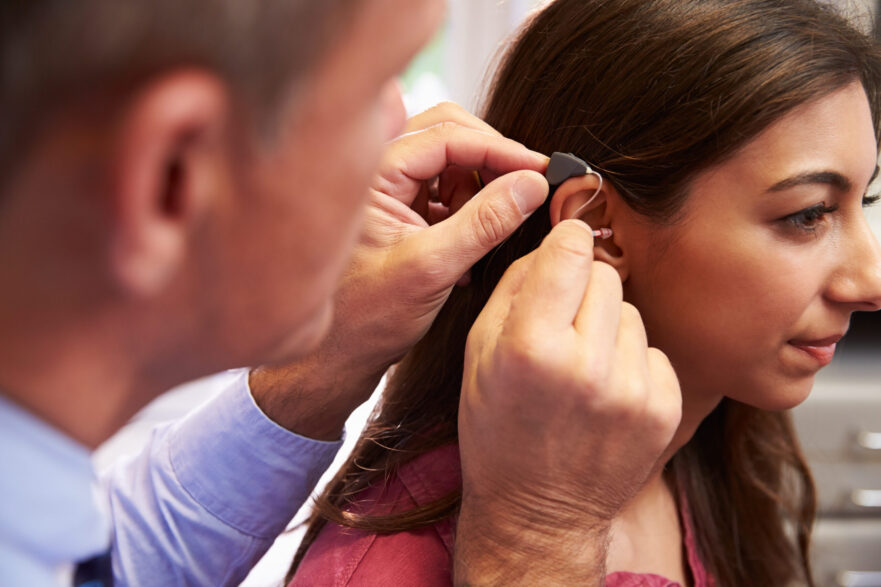
During your appointment, a licensed professional will walk you through a series of non-invasive evaluations. Modern hearing care is incredibly professional, offering personalized solutions that range from discreet, high-tech hearing aids with Bluetooth connectivity to simple wax removal procedures.
By staying local, you make sure that follow-up adjustments and cleanings are convenient, keeping your transition to clearer sound seamless. Don’t let the vibrant sounds of Berlin fade into the background when expert help is just around the corner.
Scheduling a hearing test in Long Neck offers a convenient way to access expert audiological evaluations and state-of-the-art hearing technology without traveling far from the Peninsula.
Hearing Aid Repair and Maintenance
If you have any issues with your hearing aid this winter (or at any time of the year) the team at Fairway Hearing Center can help! Get in touch with us by calling (302) 251-8252 any time you have issues with your hearing aid, or if you would like to purchase a new one.